Thinking about a move to St. Petersburg and wondering if the lifestyle really lives up to the buzz? If you want a city that blends waterfront living, established neighborhoods, arts, parks, and everyday convenience, St. Petersburg offers a lot to like. This guide will help you understand what daily life can feel like here, from getting around to housing options and neighborhood character. Let’s dive in.
St. Petersburg at a glance
St. Petersburg is a coastal city of about 267,100 residents, with 60 square miles and 244 miles of shoreline. That combination gives you a place that feels connected to the water while still functioning like a full city with distinct neighborhoods, job centers, and daily routines.
The city is also known as the Sunshine City, with an average of 361 days of sunshine per year. On paper and in practice, that helps shape daily life, especially if you enjoy being outside year-round.
A few citywide numbers also add useful context. The owner-occupied housing rate is 62.8%, the median owner-occupied home value is $371,100, median household income is $75,192, and the mean commute time is 25.6 minutes. Those figures point to a market that is both residential and urban, with a mix of local living and regional commuting.
Everyday lifestyle in St. Petersburg
One of the biggest draws of living in St. Petersburg is how easy it is to build outdoor time into your normal week. The city has more than 150 parks, 17 recreation facilities, nine pools, and more than 70 athletic fields.
Just as important, 75% of residents live within a 10-minute walk of a park. That means walks, runs, bike rides, dog outings, and time near the water are not limited to weekends or long drives.
If you enjoy a city with activity beyond the beach, St. Petersburg also has a strong arts and dining presence. Downtown is organized into several districts, including Waterfront Arts, Central Arts, EDGE, Grand Central, Warehouse Arts, St Pete Pier, Innovation, Deuces Wild, and the MLK Business District.
That district layout makes downtown feel more layered than a typical single-core city center. Instead of one main strip, you get several walkable pockets with their own mix of restaurants, shopping, nightlife, galleries, museums, and events.
Parks and waterfront living
Waterfront access is part of the city’s identity, but it shows up in practical ways too. You are not just near the water in a scenic sense. In many parts of the city, the shoreline, parks, and open spaces are part of the routine.
Two major cultural destinations reflect that pattern. The Dalí Museum is a waterfront institution in St. Petersburg, and the Museum of Fine Arts is also located on the downtown waterfront between Bayshore Boulevard and Beach Drive.
That matters because the city’s cultural life is woven into places residents already spend time. You are not choosing between outdoor living and cultural amenities here. In many cases, they sit side by side.
Getting around St. Petersburg
For a Florida city of its size, St. Petersburg offers a stronger transit picture than many people expect. If you want to reduce driving for some trips, certain parts of the city make that more realistic.
The SunRunner is Tampa Bay’s first Bus Rapid Transit line. It runs on a 10-mile, 16-stop route with 15-minute peak service and operates daily from 6 a.m. to midnight, connecting downtown St. Petersburg with USF St. Pete, Tropicana Field, Grand Central, EDGE, Bayfront, Johns Hopkins All Children’s, South Pasadena, and St. Pete Beach.
There is also an express weekday connection to Tampa through PSTA Route 100. Within downtown, the Downtown Looper runs every 15 to 20 minutes, seven days a week, and is free to ride.
If beach access matters to you, the Central Avenue Trolley links downtown with St. Pete Beach and Pass-a-Grille. For air travel, St. Pete-Clearwater International Airport is about 4 miles north of St. Petersburg, which is helpful if you travel often for work or family.
Neighborhood feel by area
St. Petersburg is not a one-style city. It feels different block by block and district by district, which is part of what makes it appealing to a wide range of buyers and sellers.
Downtown, EDGE, and Grand Central
If you want one of the most walkable versions of St. Petersburg, this area is the natural starting point. You will find museums, dining, nightlife, shopping, and frequent transit options, along with a district-based layout that creates several active hubs instead of one central corridor.
The EDGE District describes itself as easily strolled, with murals, historic buildings, and an eclectic mix of eateries, pubs, shops, and boutiques. Grand Central adds galleries, shops, places to eat and drink, and community events and festivals.
Historic Old Northeast and Crescent Lake
These are established close-in neighborhoods with active civic life. They are often part of the conversation for buyers who want a residential setting with easier access to downtown amenities.
The Old Northeast Neighborhood Association is one of the oldest neighborhood associations in the city, and Crescent Lake’s neighborhood association emphasizes connection through events and meetings. That says a lot about the lived feel of these areas: established, involved, and close to the core of the city.
Historic Kenwood and nearby areas
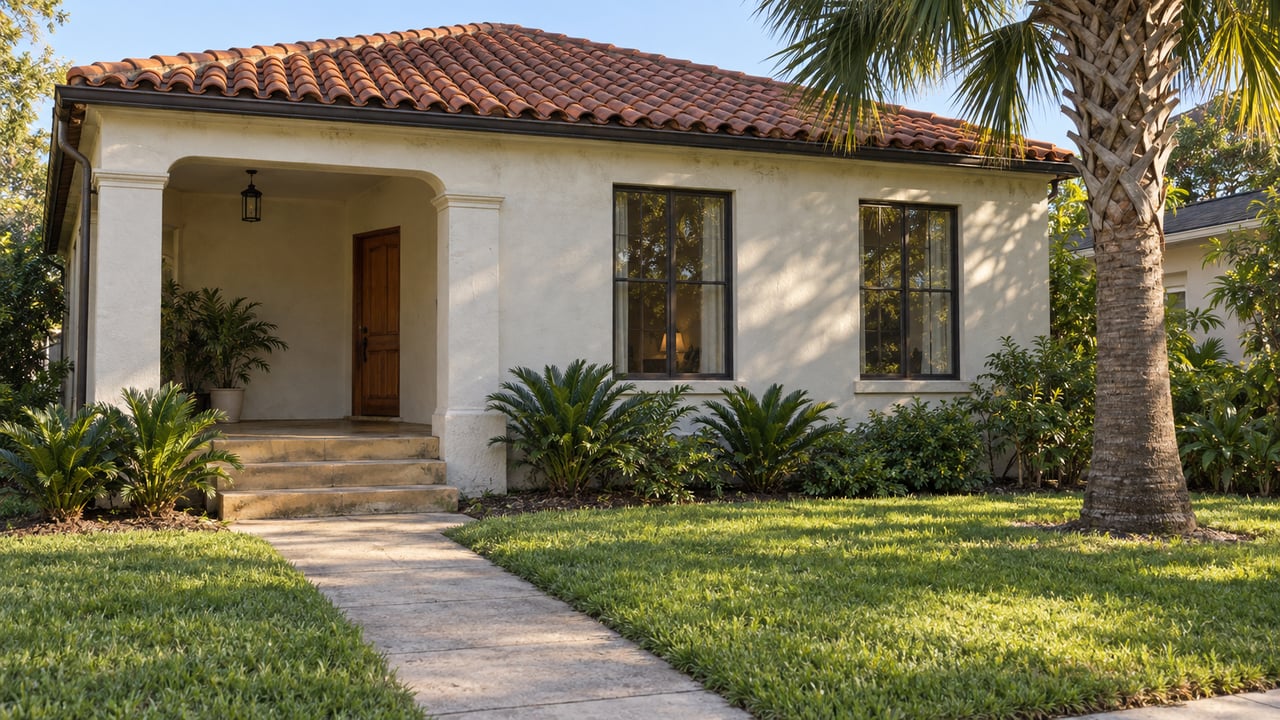
Historic Kenwood is known as a National Historic District with historic bungalows, a thriving Artist Enclave, and a strong preservation-minded identity. It was also described as St. Pete’s first suburb and first year-round residential neighborhood.
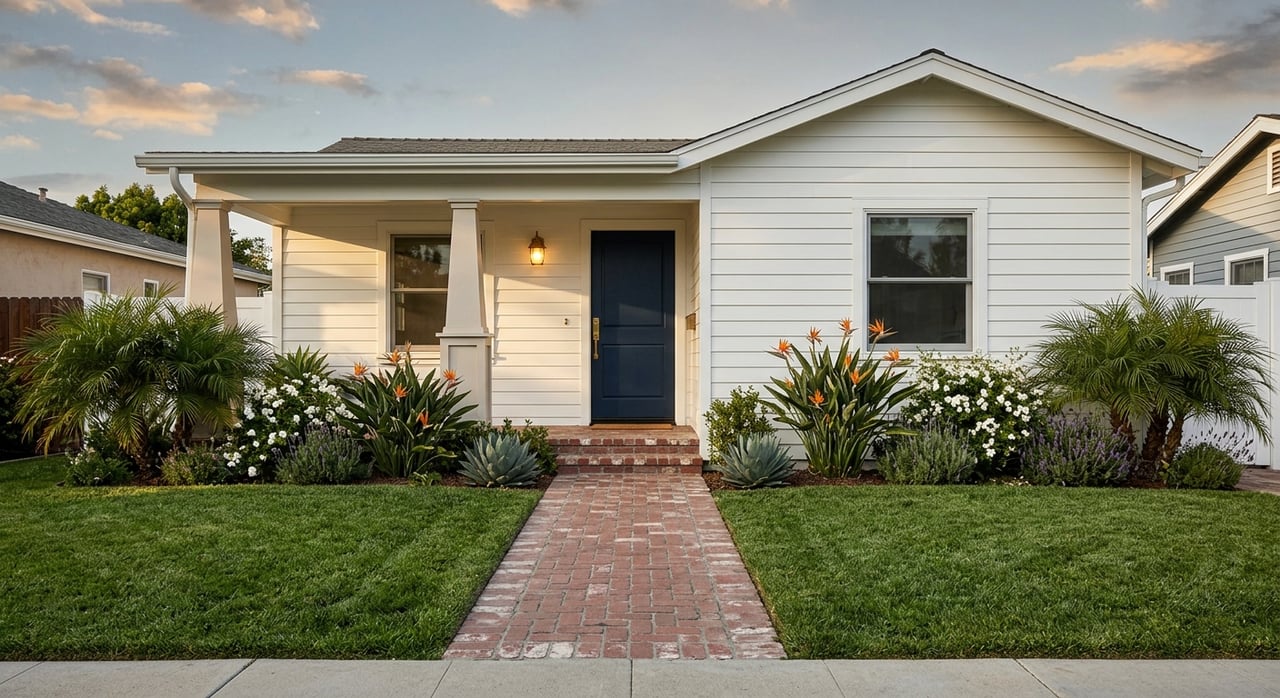
Many homes there were built between the 1920s and 1950s. If you are drawn to older homes and neighborhood character, this part of the city may stand out.
Old Southeast and south waterfront areas
Old Southeast sits just south of downtown along the western edge of Tampa Bay. The neighborhood association says it is less than a 20-minute walk from downtown, with around 500 mostly single-family homes, many dating to the early 20th century.
The area also highlights features like hex-block sidewalks, Lassing Park, and an artist enclave. That tends to create a quieter residential feel than the busier downtown districts while still keeping you close to the action.
Shore Acres, Snell Isle, and north-northeast waterfront pockets
These areas are part of the city’s more established waterfront residential geography outside the downtown core. For buyers focused on waterfront positioning or established residential addresses, these neighborhoods are often part of the broader St. Petersburg conversation.
Housing options in St. Petersburg
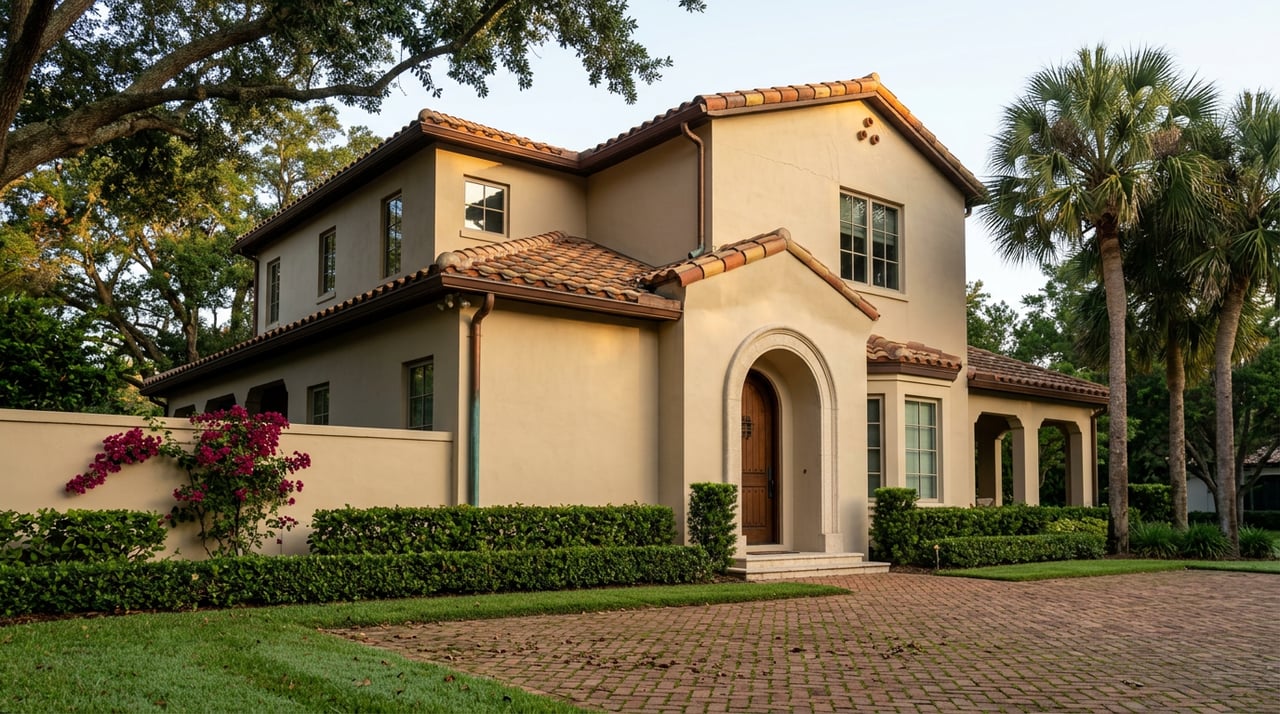
St. Petersburg has a wider housing mix than many people expect. It is not just condos near the water or single-family homes farther out.
The city’s zoning categories include neighborhood-traditional single-family districts, suburban single-family districts, suburban multi-family districts, downtown center districts, corridor residential districts, mixed-residential districts, and planned redevelopment categories. In practical terms, that supports a broad range of housing types across the city.
The city’s housing plan also points to active efforts around supply and variety. That includes creating or preserving 2,400 multifamily units, supporting 300 accessory dwelling units, helping with 500 single-family home purchases, and offering 150 single-family lots for new affordable homes.
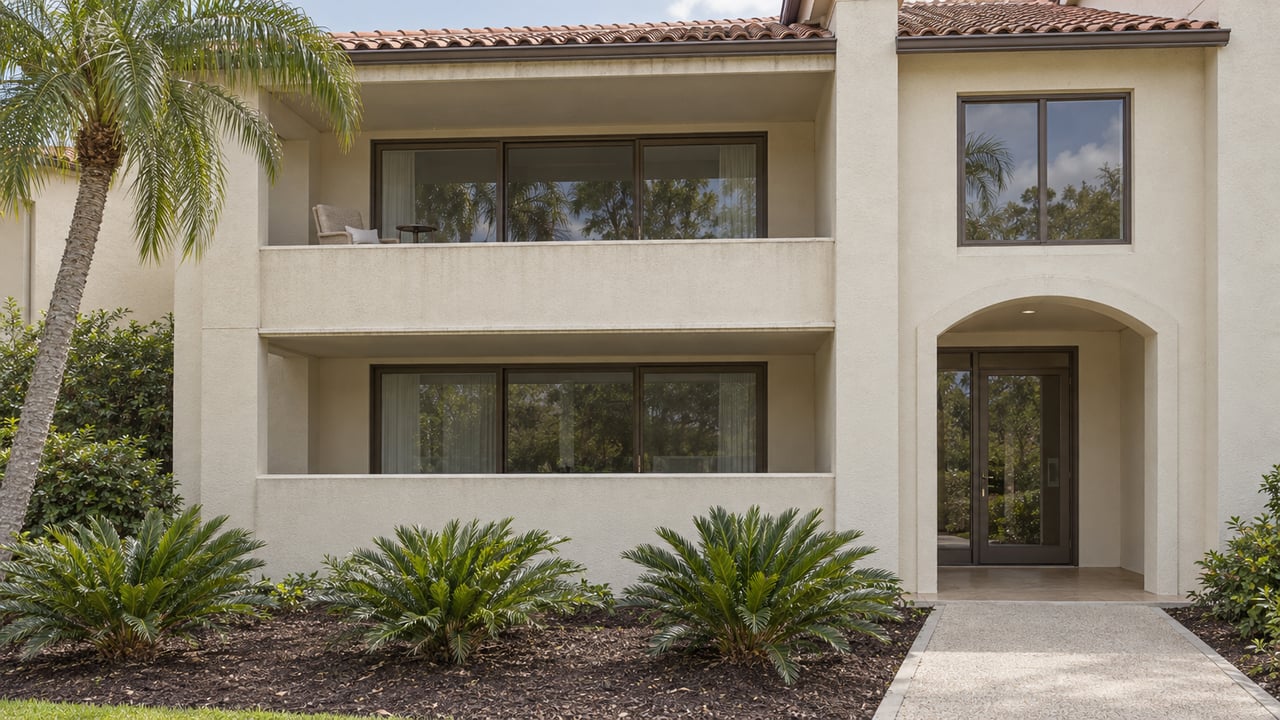
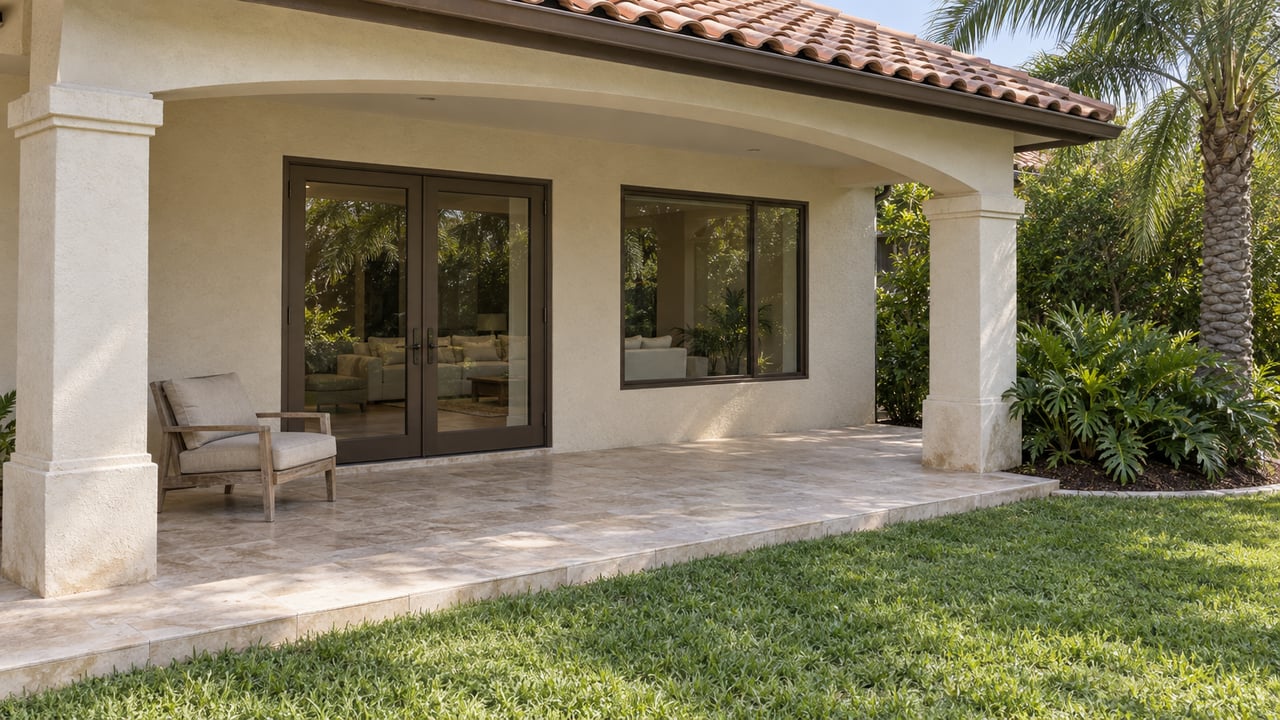
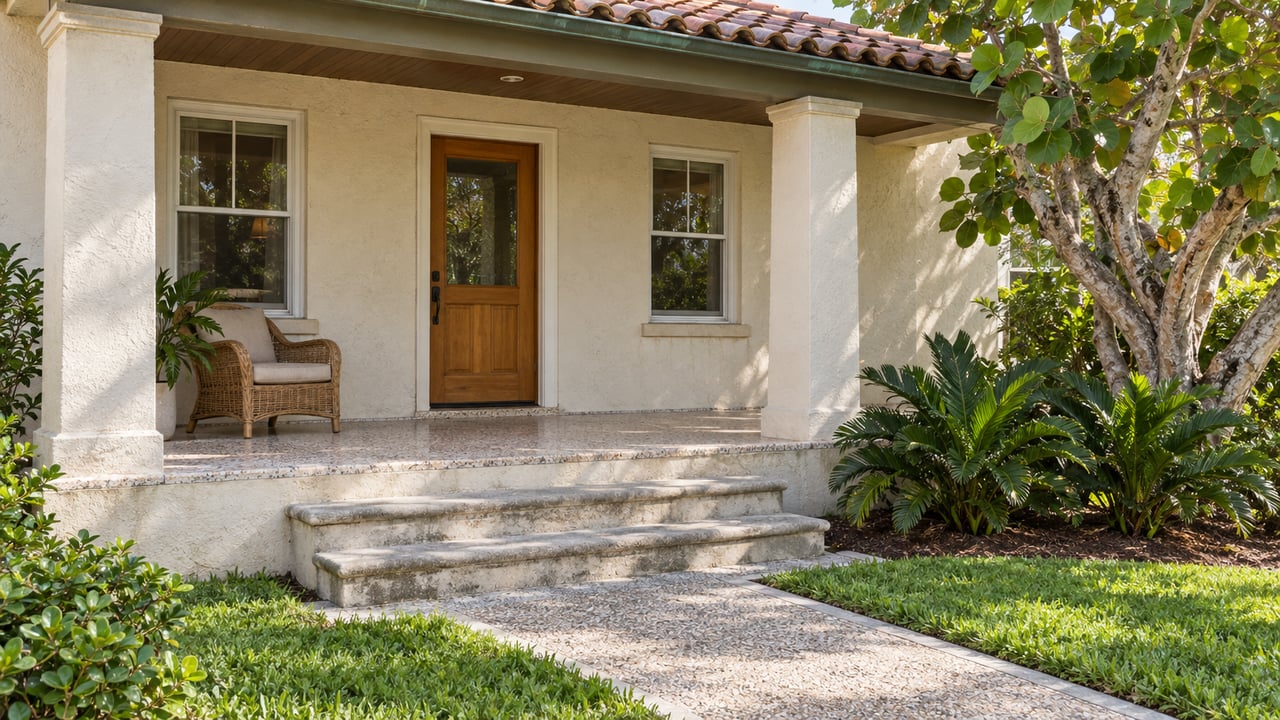
For you as a buyer or seller, that variety matters. It means St. Petersburg can work for different life stages, whether you are looking for a bungalow, condo, detached home, or a lower-maintenance next chapter.
Practical trade-offs to understand
Living in a coastal city comes with advantages, but it also requires practical planning. In St. Petersburg, storm readiness is part of normal life, not an occasional topic.
The city’s Office of Emergency Management handles planning, mitigation, preparedness, response, and recovery. If you are considering a move, especially near the waterfront, it helps to think about resilience and property fit as part of the decision-making process.
This is also where good local guidance matters. Neighborhood feel, access, housing type, commute patterns, and day-to-day convenience can vary a lot across St. Petersburg, even within a short drive.
Who St. Petersburg tends to fit best
St. Petersburg often appeals to people who want more than one thing from where they live. You may want water access and city amenities, established neighborhoods and new housing options, or a more active lifestyle without giving up practical convenience.
It can also be a strong fit if you value variety. Some areas feel more urban and walkable, some feel more historic and residential, and others offer a more established waterfront setting.
If you are navigating a major life transition, that flexibility can be especially important. A city with multiple neighborhood types and housing options gives you more room to match your next move to your budget, routine, and long-term goals.
Whether you are buying, selling, downsizing, or making a move during a sensitive transition, having clear local guidance can make the process feel much more manageable. If you want help evaluating St. Petersburg neighborhoods, lifestyle fit, or your next real estate move in Tampa Bay, connect with Lisa Kirkpatrick.
FAQs
What is daily life like in St. Petersburg, Florida?
- Daily life in St. Petersburg often centers around outdoor living, neighborhood routines, and easy access to parks, waterfront areas, dining, arts, and events.
How walkable is downtown St. Petersburg?
- Downtown St. Petersburg is one of the city’s most walkable areas, with multiple districts that include restaurants, museums, shops, nightlife, and transit options like the Downtown Looper and SunRunner.
What kinds of homes can you find in St. Petersburg, Florida?
- St. Petersburg offers a broad housing mix, including single-family homes, multifamily housing, mixed-residential areas, and denser downtown housing options.
What are some well-known St. Petersburg neighborhoods?
- Commonly referenced areas include Downtown, EDGE, Grand Central, Historic Old Northeast, Crescent Lake, Historic Kenwood, Old Southeast, Shore Acres, and Snell Isle.
Is St. Petersburg, Florida good for outdoor living?
- St. Petersburg is well suited for outdoor living, with more than 150 parks, extensive shoreline, recreation facilities, pools, athletic fields, and a high share of residents living within a 10-minute walk of a park.
What should you know before moving to waterfront areas in St. Petersburg?
- Waterfront living in St. Petersburg can offer strong lifestyle appeal, but storm readiness and broader Gulf Coast resilience planning should be part of your decision process.