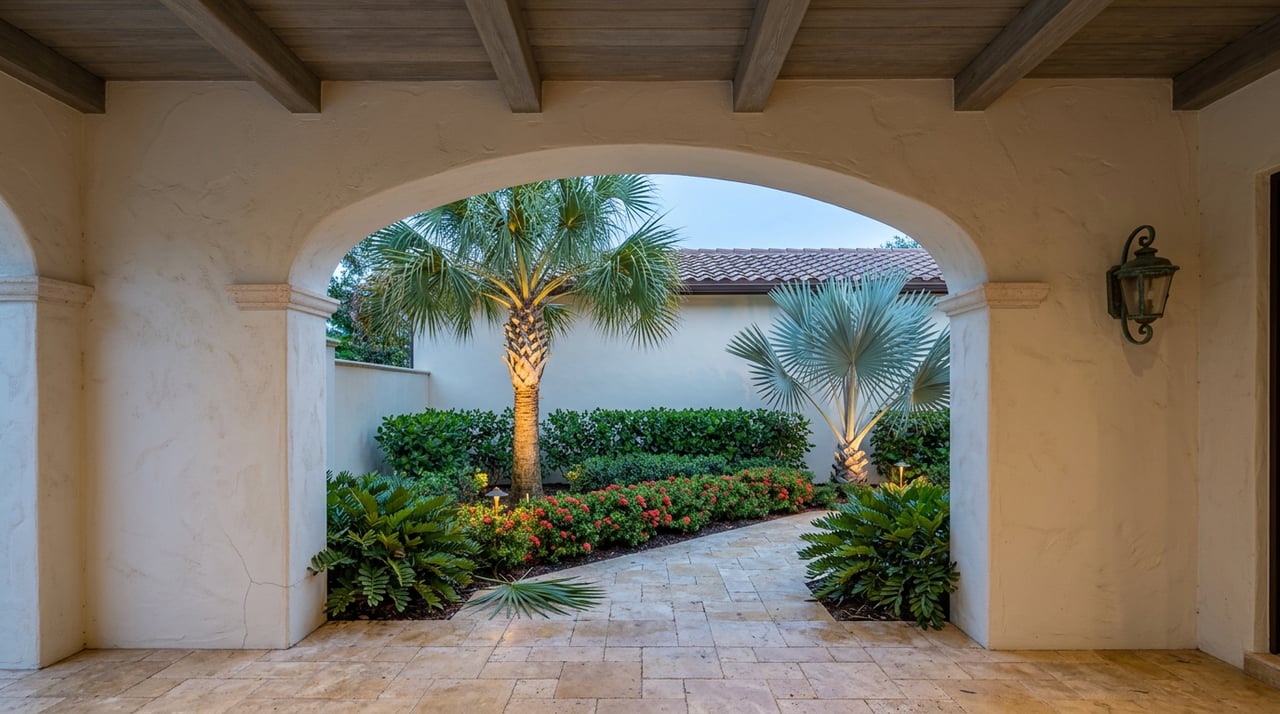
If you are torn between South Tampa and the suburbs, you are not alone. A lot of buyers start with a simple question about location, then realize the real decision is about how you want to live day to day, what kind of home you want, and how much space or convenience matters most. When you understand the tradeoffs clearly, the right choice gets easier. Let’s dive in.
What This Choice Really Means
South Tampa is not one single neighborhood or one single type of home. The City of Tampa describes the area as a mix of neighborhoods, from active multi-family communities near the waterfront to more relaxed single-family detached areas.
That matters because you are not just comparing “city” versus “suburb.” You are comparing centrality, neighborhood character, and convenience in South Tampa against more space-oriented living in places like Riverview, Brandon, and Wesley Chapel.
South Tampa at a Glance
South Tampa tends to attract buyers who want to be closer to the inner Tampa core. If your routine is centered around downtown Tampa, MacDill, or other in-town destinations, that location can be a major advantage.
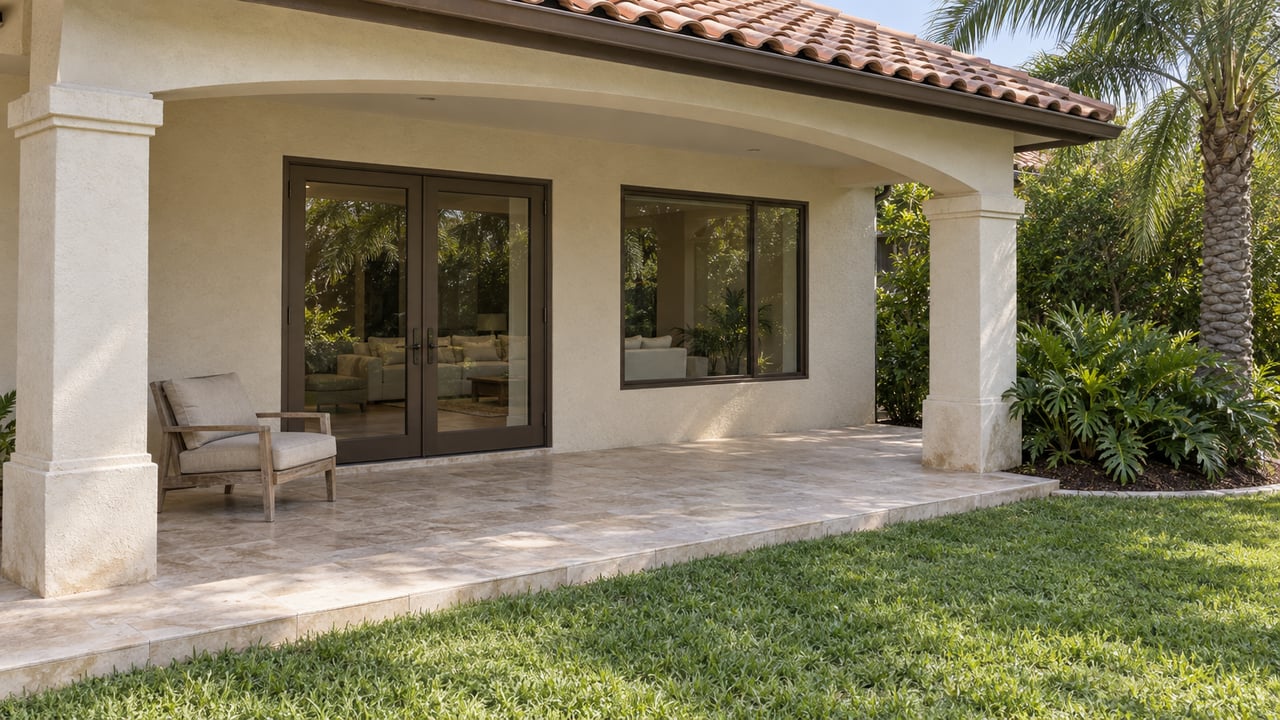
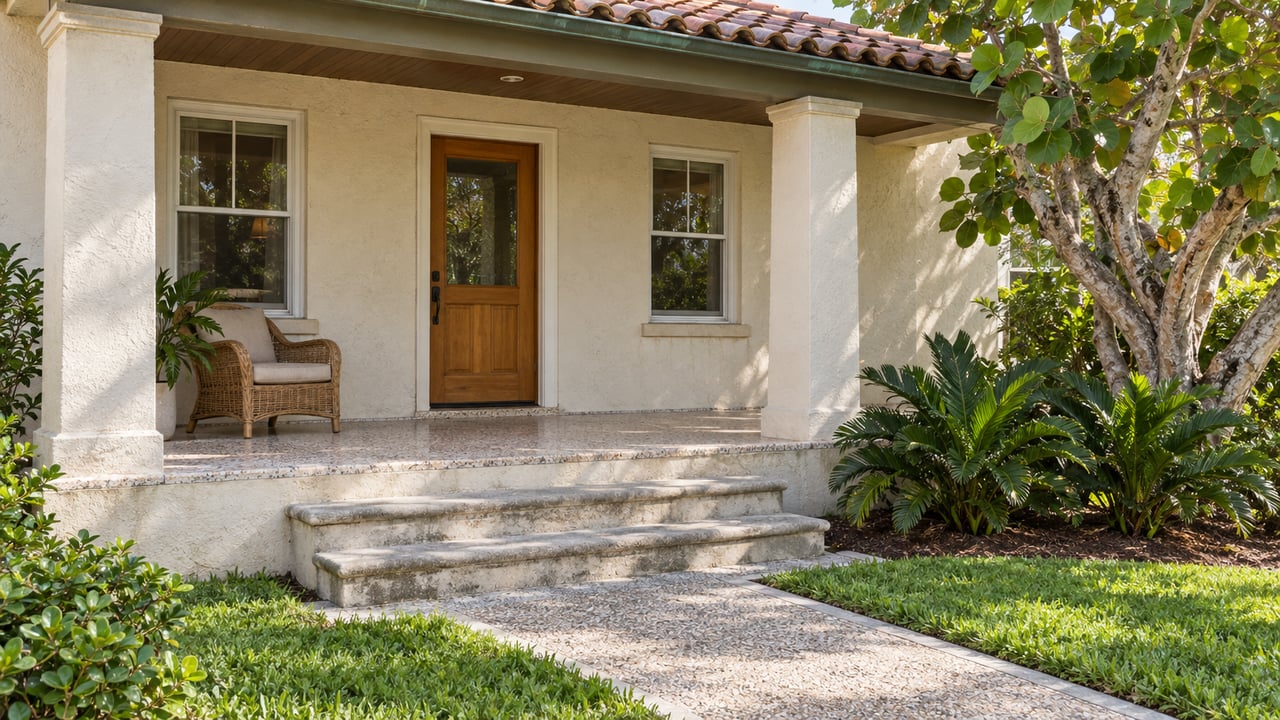
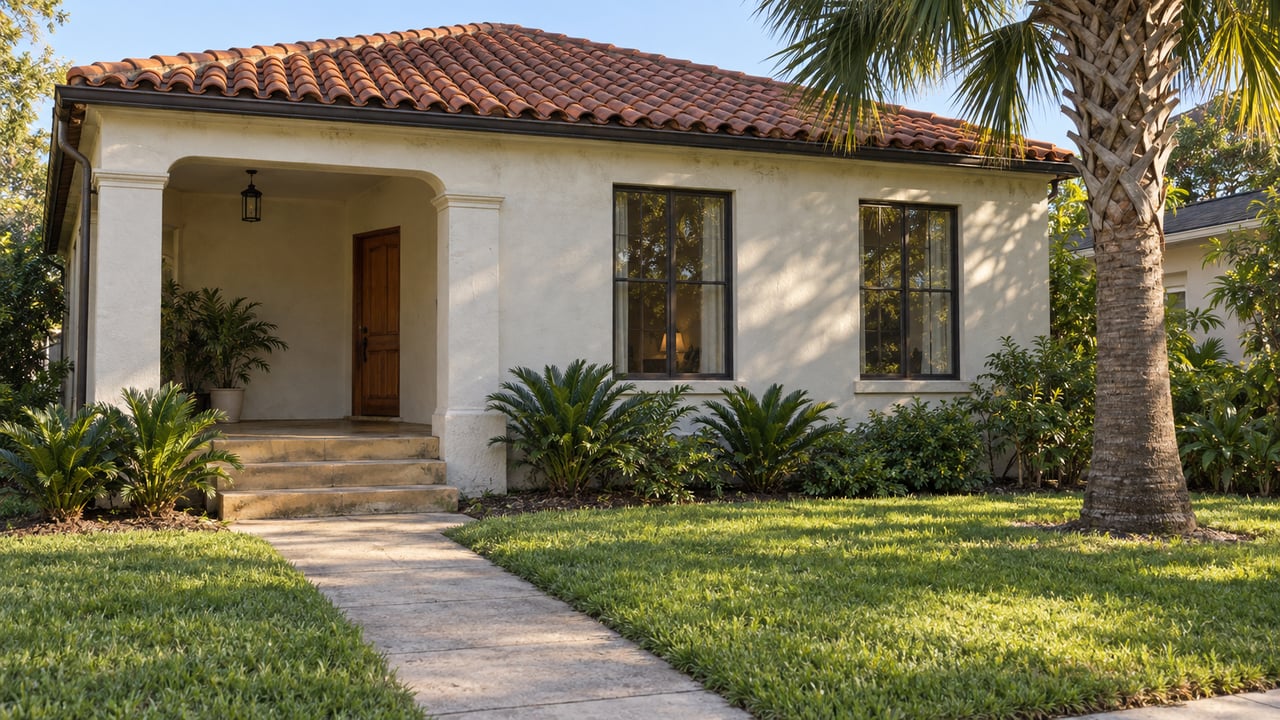
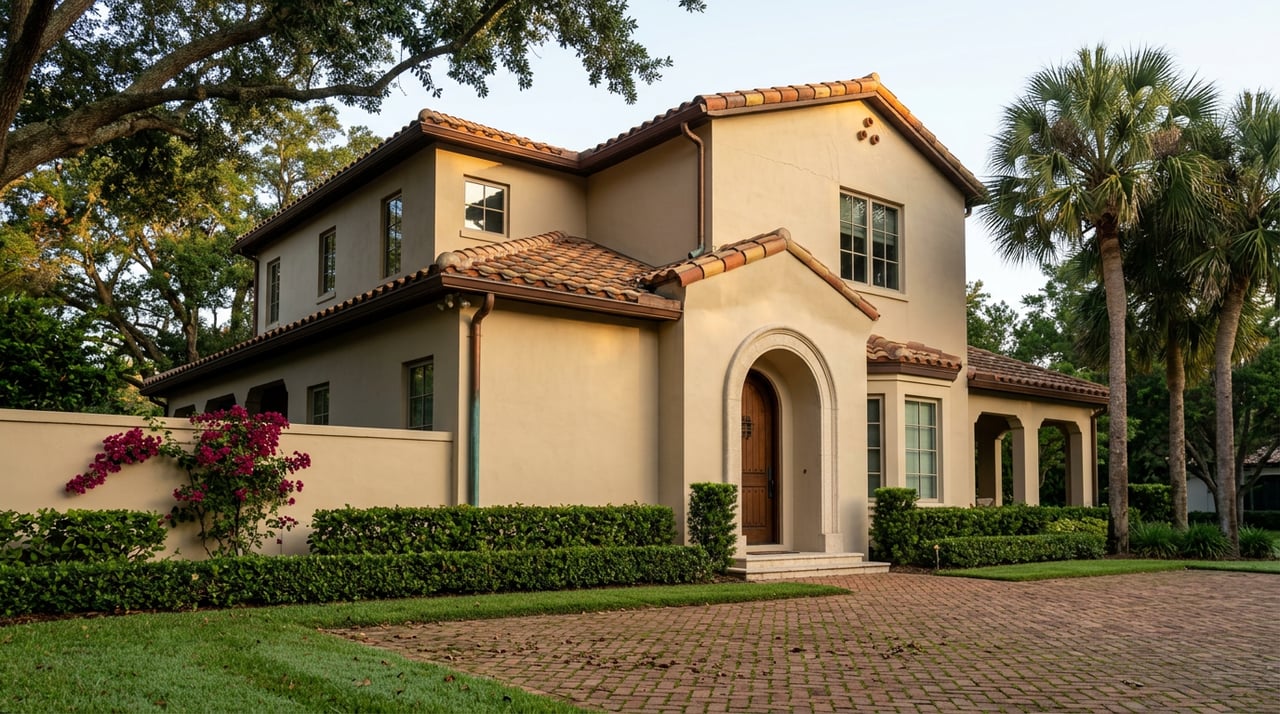
The area also offers a wide mix of housing types. According to the City of Tampa, you can find everything from bungalows to condominiums, which gives you more flexibility if you want a condo, townhome, or detached home without leaving the broader South Tampa area.
Neighborhood Pattern Matters
The city’s planning framework shows that some South Tampa neighborhoods, including Hyde Park and Palma Ceia, reflect traditional pre-World War II development. These areas are described as pedestrian-oriented, with small regular lots, sidewalks, street trees, alleys, and buildings closer to the street.
Other areas, such as Beach Park and Virginia Park, reflect post-World War II suburban patterns. That means even within South Tampa, the feel can vary depending on where you look.
How South Tampa Prices Compare
Price is one of the biggest reasons this decision deserves a close look. South Tampa often carries a meaningful premium, but that premium is not the same across every ZIP code.
Current median listing prices show a wide spread:
- 33611: $650,000
- 33609: $748,500
- 33606: $1.19 million
- 33629: $1.60 million
These numbers show why broad statements about “South Tampa prices” can be misleading. Some parts of South Tampa may feel reachable for your budget, while others may be in a very different tier.
The Suburbs at a Glance
Riverview, Brandon, and Wesley Chapel are common alternatives when buyers want more space or a more car-oriented routine. These markets often compete less on central location and more on how much home you can get for the money.
Current median listing prices are:
- Riverview: $392,250
- Brandon: $375,000
- Wesley Chapel: $450,000
Compared with Tampa citywide at $450,000 and Hillsborough County at $420,000, the suburbs are not always dramatically cheaper in absolute price. Still, they often stand out as the more space-per-dollar option.
Price Per Square Foot Tells More
Price per square foot helps explain the difference even more clearly. Riverview is currently at $186 per square foot, Brandon at $207 per square foot, and Wesley Chapel at $205 per square foot.
That supports a practical takeaway: South Tampa is generally a location-led market, while the suburbs are more often space-led markets. In simple terms, you may pay more for less square footage in South Tampa, but gain centrality and neighborhood character.
Commute and Daily Routine
Your commute may shape this decision more than any listing photo ever will. A home that looks perfect on paper can feel very different once you add your daily drive, school or activity schedules, errands, and the places you visit most often.
Census data shows the mean travel time to work is 24.8 minutes in Tampa citywide. That compares with 28.4 minutes in Brandon, 31.1 minutes in Wesley Chapel, and 34.8 minutes in Riverview.
Those figures are not a personal commute estimate, but they do point to a clear pattern. Outer suburban areas generally come with longer routine drives than the city as a whole.
Key Travel Corridors
South Tampa’s road network is centered around major routes such as Bayshore Boulevard, Dale Mabry Highway, Manhattan Avenue, and MacDill Avenue. The Tampa Hillsborough Expressway Authority states that the Selmon Expressway connects downtown Tampa, Brandon, Southern Hillsborough County, and MacDill.
THEA also notes that the Selmon West Extension allows drivers to connect from the south end of the Gandy Bridge to I-75 in Brandon without a stoplight. In Wesley Chapel, the Florida Department of Transportation says the I-75 and SR 56 interchange was converted to a diverging diamond to help reduce congestion and improve travel time in a fast-growing area.
When South Tampa Makes Sense
South Tampa may be the better fit if your top priority is an in-town address and easier access to the urban core. It can also make sense if you value older neighborhood character, walkable design elements in certain areas, and a broader mix of property types.
You may lean toward South Tampa if you want:
- A more central location
- A condo, townhome, bungalow, or detached home within the same broader area
- Neighborhoods with established character
- A routine tied to downtown Tampa, MacDill, or nearby in-town destinations
The tradeoff is usually cost. In many cases, you need to be comfortable with a higher price per square foot and a higher purchase price, depending on the ZIP code.
When the Suburbs Make Sense
The suburbs may be the better fit if your top priority is more house for the money. If square footage, newer layouts, or a more space-oriented setup matter most, Riverview, Brandon, or Wesley Chapel may deserve a serious look.
You may lean toward the suburbs if you want:
- More interior space for your budget
- A lower price per square foot
- A routine that works well with longer drives
- A home search focused more on size than central location
This path can be especially practical if your work, family schedule, or regular travel is already oriented outside the inner Tampa core.
A Smart Way To Decide
If you feel stuck, try ranking your priorities before you tour too many homes. Buyers often get clearer once they stop asking, “Which area is better?” and start asking, “Which tradeoff fits my life better?”
Use this simple framework:
- Map your routine. Think about where you work, where you spend weekends, and how often you need to reach downtown, MacDill, or major highways.
- Set a real budget. Compare not just the price tag, but how much space that budget buys in each area.
- Choose your home style. Decide whether you want a condo, townhome, bungalow, or a larger detached home.
- Picture daily life. Consider whether you prefer central convenience or are comfortable with a more car-based routine.
- Think ahead. Ask whether the home still makes sense for the next few years, not just today.
A Special Note for Major Life Transitions
If you are making this move during a divorce or another major life change, this comparison becomes even more important. The right decision is not only about whether a home feels affordable today, but whether the replacement home, commute, tolls, maintenance, and resale horizon still make sense for your next chapter.
That is especially true in this comparison because South Tampa pricing can sit far above suburban alternatives in some ZIP codes. In a high-stress transition, clear analysis and steady guidance can help you protect equity and avoid choices that create pressure later.
The Bottom Line
South Tampa versus the suburbs is not a simple city-versus-suburb debate. It is a tradeoff between centrality, neighborhood character, and a higher price per square foot on one side, and more space, lower price per square foot, and longer car-based routines on the other.
If your life is built around in-town access and you value location first, South Tampa may be worth the premium. If you want more room and a budget that stretches further, the suburbs may be the smarter move.
If you want help comparing South Tampa, Riverview, Brandon, or Wesley Chapel based on your budget, goals, and next step, Lisa Kirkpatrick can help you sort through the numbers and make a confident decision.
FAQs
What is the main difference between South Tampa and the suburbs?
- South Tampa usually offers more central location, neighborhood variety, and a wider mix of housing types, while suburbs like Riverview, Brandon, and Wesley Chapel often offer more space for the money.
Is South Tampa always more expensive than Brandon, Riverview, or Wesley Chapel?
- South Tampa often carries a premium, but pricing varies a lot by ZIP code. Current median listing prices range from $650,000 in 33611 to $1.60 million in 33629, while Riverview, Brandon, and Wesley Chapel are currently lower overall.
Are commute times usually longer in the Tampa suburbs?
- Yes. Census data shows Tampa citywide mean travel time to work is 24.8 minutes, compared with 28.4 minutes in Brandon, 31.1 minutes in Wesley Chapel, and 34.8 minutes in Riverview.
What types of homes can you find in South Tampa?
- South Tampa includes a broad mix of homes, including bungalows, condominiums, and single-family detached homes, depending on the neighborhood.
How should divorcing homeowners compare South Tampa and the suburbs?
- Focus on more than the purchase price. Look at replacement-home affordability, commute, tolls, maintenance, and how well the next home supports your long-term financial stability and daily routine.