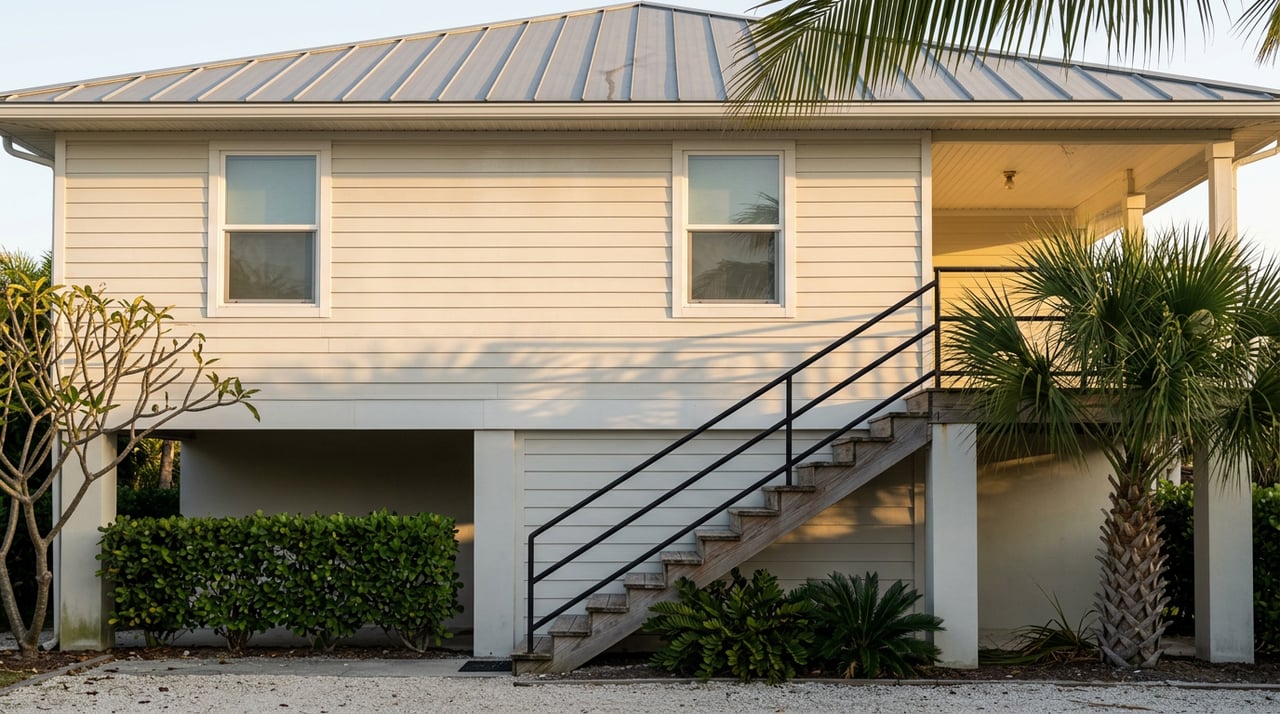
If you are facing divorce and own a home on Davis Islands, one question can quickly become the hardest one in the process: what happens to the house? In a neighborhood where home values are high and market timing matters, this decision can affect your equity, your next move, and your peace of mind. The good news is that with the right information, you can approach the home thoughtfully and avoid costly missteps. Let’s dive in.
Why the Davis Islands home decision matters
Davis Islands is one of South Tampa’s most distinctive communities, with residential and retail areas, parks, green space, and water views, according to the City of Tampa. It also sits in a premium price range, which raises the stakes when you are dividing a marital asset.
Recent market snapshots show just how meaningful the numbers can be. Redfin reported a median sale price of $1,808,142 over the prior three months and 112 median days on market. Realtor.com reported a median list price of $1.925 million, 84 active listings, 78 median days on market, and a 96% sale-to-list ratio, while Zillow reported an average home value of $1,459,343 and a median list price of $1,456,833.
Those figures do not measure the exact same thing, but they point to the same practical reality. On Davis Islands, even small changes in pricing, repairs, carrying costs, or time on market can materially change the net result in a divorce settlement.
How Florida treats the marital home
Under Florida law, equitable distribution starts with the idea that marital assets and liabilities should be divided equally unless specific factors support a different outcome. That does not always mean the home must be sold, and it does not always mean each spouse receives the same asset in the same way.
Florida law also allows the court to consider whether keeping the marital home is desirable for a dependent child or another party when that outcome is equitable, in the child’s best interest, and financially feasible. In other words, the question is not just who wants the home. The question is whether keeping it makes legal and financial sense.
In contested cases, the court must make written findings about significant assets and liabilities. That includes identifying nonmarital assets, valuing major property, and allocating debts. The law also allows different assets to be valued on different dates when that is fair under the circumstances, which is one reason timing can matter so much.
Who gets the Davis Islands home?
There is no one-size-fits-all answer. In some divorces, the home is sold and the equity is divided. In others, one spouse keeps the home and buys out the other spouse’s share.
If children are involved, the court may consider whether staying in the home serves their best interest, but that outcome still has to be equitable and financially feasible. If no one can comfortably afford the home on one income, a sale may offer the clearest path forward.
The title history matters too. Under Florida law, jointly titled real estate held as tenants by the entireties is presumed marital. If the home was bought before the marriage or with separate funds, part of the analysis may involve tracing nonmarital claims, including appreciation or principal reduction during the marriage.
Start with fair market value, not tax value
One of the biggest mistakes in divorce real estate is relying on the wrong number. The Hillsborough County Property Appraiser is useful for confirming ownership records, assessed value, market value for tax purposes, and tax information, but those figures are not the same as current fair market value.
The Florida Bar notes that fair market value in divorce is market-based. That means the home should be valued based on recognized valuation methods, not guesses or outdated assumptions.
A qualified broker may be able to provide an opinion of probable price in a dissolution case, but that opinion still needs to be grounded in real market data. In a place like Davis Islands, where pricing can vary significantly based on condition, water influence, lot characteristics, and timing, careful valuation is especially important.
Focus on equity, not just price
For most divorcing homeowners, the real issue is not the headline number. It is the equity.
A practical way to frame the conversation is:
- Fair market value
- Minus mortgage payoff
- Minus estimated selling costs
- Equals estimated net equity
That approach creates a clearer picture of what is actually available to divide. It also helps you compare a sale against a buyout in a more realistic way.
Selling the home during divorce
Selling can create a clean division of equity and reduce future entanglement. If both spouses want a fresh start, or if the home is too expensive to carry after divorce, listing the property may be the most practical choice.
In Davis Islands, this choice deserves careful planning. Because values are high and days on market are not trivial, decisions about repairs, pricing, preparation, and negotiation can have an outsized impact on the final proceeds.
A well-managed sale process can also reduce conflict. When expectations, disclosures, showing logistics, and pricing strategy are clearly handled, it is often easier for both parties to move from uncertainty to resolution.
When a sale may make sense
- Neither spouse can comfortably afford the home alone
- You want a clean division of equity
- The mortgage, upkeep, or carrying costs create strain
- You want to reduce post-divorce financial risk
- The settlement benefits from a clear, market-tested result
Keeping the home after divorce
Keeping the home can be the right outcome in some cases, but it needs more than a verbal agreement. The spouse who keeps the property needs a defensible value, a clear path for transfer, and the financial ability to carry the home.
That means looking closely at the mortgage payment, taxes, insurance, maintenance, and any deferred repairs. In a premium neighborhood, those costs can add up quickly.
The transfer also needs to be handled carefully. Florida law provides that a judgment distributing property can operate as a conveyance once it is recorded in the county where the property is located, which is why title changes should be handled deliberately rather than informally.
Questions to ask before a buyout
- What is the home’s fair market value today?
- What is the current mortgage payoff?
- What selling costs would likely apply if the home were listed?
- How much equity is actually available to divide?
- Can the keeping spouse afford the home on an ongoing basis?
- What legal steps are needed to transfer title clearly?
Why valuation date matters
Florida law allows assets to be valued on different dates when that is just and equitable. In a changing market, that can be important.
If your divorce process stretches over months, the value on the date of filing may differ from the value closer to settlement or trial. On Davis Islands, where the dollar amounts are large, even a modest shift in market value can change the outcome in a meaningful way.
That is why you should discuss valuation timing with your family-law attorney and financial professional before locking in a sale strategy or buyout number. The date you use can affect both fairness and feasibility.
Do not overlook homestead and tax issues
The marital home is not only a property asset. It can also carry tax and homestead implications.
Hillsborough County states that homestead status applies to a permanent residence as of January 1. County guidance also notes that a tax exemption may need to be removed when there is a change in status tied to marriage or divorce, and owners must notify the Property Appraiser when the home is no longer their permanent residence.
Hillsborough County also states that a residence must be reassessed at market value when it sells. In a divorce, that means your tax treatment can change if one spouse moves out, the property is sold, or the home stops functioning as the marital homestead.
A calmer way to make the home decision
When emotions are high, it helps to break the decision into steps. You do not need to solve everything at once.
Start by confirming ownership and basic property records. Then get a market-based value, estimate net equity, and compare the practical outcomes of selling versus retaining the home.
From there, coordinate with your family-law attorney and financial professional so the real estate plan supports the broader settlement. That kind of clear process can help you protect equity and reduce avoidable conflict.
If you are navigating divorce and a Davis Islands home, steady guidance matters. Lisa Kirkpatrick offers neutral, knowledgeable support focused on valuation clarity, equity protection, and a well-managed path forward.
FAQs
How is a Davis Islands home valued in a Florida divorce?
- A Davis Islands home should be valued using fair market value based on recognized market methods, not just the county tax assessment.
Does divorce mean you have to sell your Davis Islands home?
- No. Florida law does not require an automatic sale, and one spouse may keep the home if that outcome is equitable, financially feasible, and otherwise appropriate.
Can one spouse buy out the other spouse’s share of a Davis Islands home?
- Yes. A buyout may be possible if you have a defensible value, a clear equity calculation, and the financial ability to carry the property after divorce.
Does the Hillsborough County property appraiser value equal market value?
- No. Hillsborough County records are useful for ownership and tax information, but tax values are often not the same as current fair market value in a divorce.
What happens to homestead status after divorce in Hillsborough County?
- Homestead treatment can change if one spouse moves out, the home is sold, or the property is no longer the owner’s permanent residence, and the Property Appraiser may need to be notified.
How does premarital ownership affect a Davis Islands divorce home case?
- If the home was acquired before marriage or with separate funds, the analysis may include tracing nonmarital interests as well as any marital share tied to appreciation or principal paydown during the marriage.