The reported median sale prices for Downtown Tampa and Tampa Heights point to a lower figure downtown, but they cover different periods. For the three months ending August 2026, Downtown Tampa's median sale price was $444,000, up 15.3% from the same period a year earlier. Tampa Heights' March 2026 median was $663,000, up 6.9% year over year. Those reported medians differ by more than $200,000, but they are not a same-period comparison.
The reported price-per-square-foot figures tell a different story. Downtown Tampa is running $621 per square foot, up 21.2% over the year through August 2026. Tampa Heights was at $348 per square foot in March 2026, down 3.6% year over year. Citywide, Tampa as a whole sits at $294 per square foot, essentially flat. The median tells you what typically sold. The price per square foot tells you what your money actually converts to, and in the reported snapshots those two measures point in opposite directions.
A Different Measure of Price
A median price answers a narrow question: what did the middle listing in a given window actually sell for. It says nothing about size, lot, or condition, which is exactly why two neighborhoods a few minutes apart can post medians that seem to contradict each other once you know what's actually changing hands.
Here are the reported figures side by side; the reporting periods differ.
| Market | Median Sale Price | Price per Sq Ft | Days on Market | Homes Sold |
|---|---|---|---|---|
| Downtown Tampa (3 mo. ending Aug 2026) | $444,000 | $621 | 43 | 7 (Aug 2026) |
| Tampa Heights (Mar 2026) | $663,000 | $348 | 74 | 20 (Mar 2026) |
| Tampa citywide (3 mo. ending Aug 2026) | $479,000 | $294 | 46 | 1,467 (Aug 2026) |
Using the reported per-square-foot figures, a $450,000 budget equates to roughly 725 square feet downtown and nearly 1,300 in Tampa Heights. These estimates use figures from different reporting periods, so they illustrate the reported price-per-square-foot snapshots rather than a same-period comparison. In those snapshots, Tampa Heights has the higher median sale price and Downtown Tampa the higher price per square foot.
Why the Same City Produces Two Very Different Markets
The gap isn't about which neighborhood people want more. It's about what's physically for sale in each one.
Downtown Tampa's housing stock leans almost entirely on new vertical construction. The district built up around anchors like Sparkman Wharf, Amalie Arena, the JW Marriott Tampa Water Street, and The Tampa EDITION, all designed around condo towers rather than standalone lots. Only seven homes sold downtown in August 2026, and in a market with that few transactions, nearly all of them are units inside those towers. Small footprints, premium finishes, and a downtown address stack the price per square foot fast.
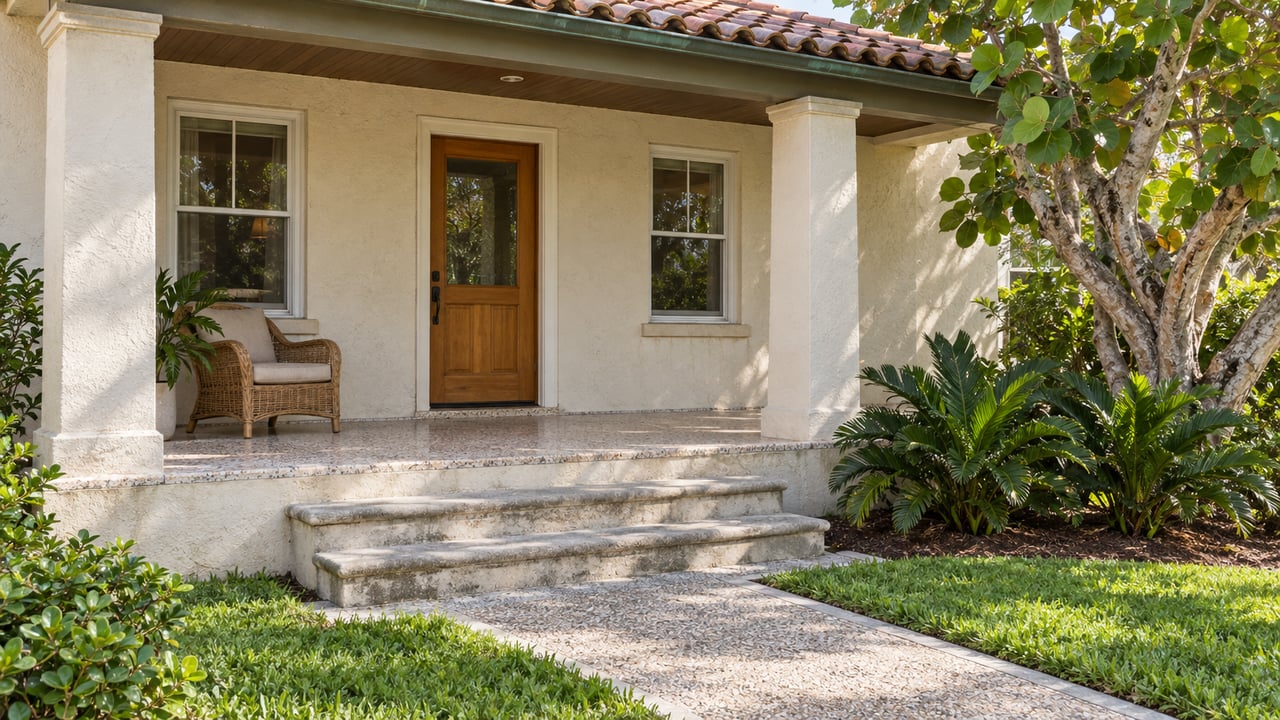
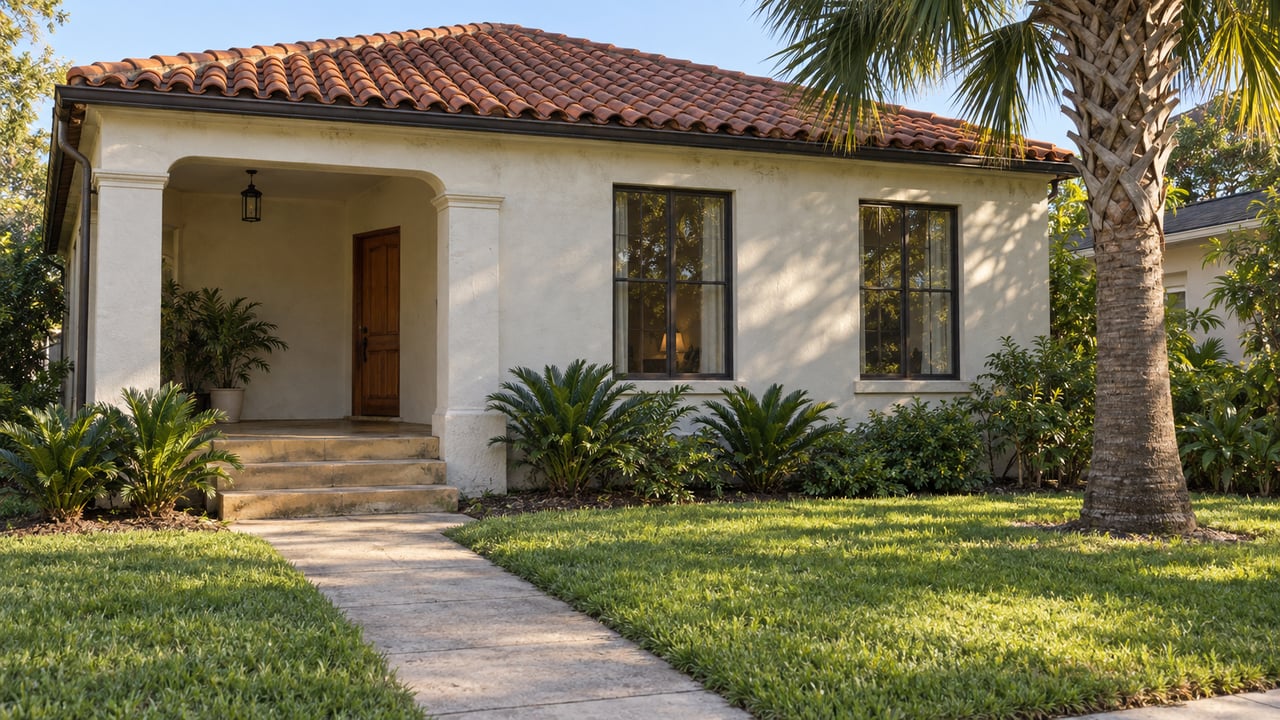
Tampa Heights is built differently. The neighborhood mixes early 1900s bungalows, light industrial buildings converted into housing, and newer construction townhomes on a street grid that predates any of the current development boom. Armature Works, built in 1910 as a maintenance facility for Tampa's streetcar system, now houses the Heights Public Market and anchors the neighborhood's connection to the Riverwalk. Nearby, Water Works Park holds the restored Ulele Spring. None of that changes what a bungalow costs to build or how much land comes with it. A converted warehouse unit or a century-old house on its own lot simply carries more square footage per dollar than a new tower unit, regardless of how close either one sits to the river.
Water Street's Expansion and Nearby Home Prices
Water Street Tampa's expansion raises a question about how nearby home values may respond; the reported figures offer only a limited comparison.
Strategic Property Partners has filed plans for a second phase of Water Street development valued at nearly $1 billion, adding more than 2 million square feet of development and close to 200,000 square feet of new retail and restaurant space to the district. The pipeline includes:
- A 400-foot, 452-unit residential tower filed for the corner of Water Street and Cumberland Avenue, with 37,000 square feet of ground-floor retail
- A 3,500-seat live music and entertainment venue developed with Vinik Sports Group, now in the city's design review process with groundbreaking targeted for early 2027
- Gasworx's Stevedore residential building, set to open this year, with a 28,000-square-foot marketplace targeted for early 2027
- Pendry Tampa, a Two Roads Development project along the Riverwalk planned to include 220 hotel rooms and 200 private residences with a rooftop pool and spa
The reported figures do not establish whether Water Street's investment is lifting nearby home values. Tampa Heights' price per square foot fell 3.6% over the year through March 2026, while Downtown Tampa's rose 21.2% over the year through August 2026. Because the snapshots cover different periods, they do not show whether price growth is spreading from Water Street into Tampa Heights.
What the Reported Figures Mean for Buyers Comparing These Neighborhoods
For a buyer working from a fixed budget, the reported price-per-square-foot figures offer a snapshot of what that budget converts to in each neighborhood, not a same-period comparison of which address has the lower sticker price. In the August 2026 Downtown Tampa snapshot, $621 a foot buys a walk to Sparkman Wharf, Amalie Arena, and a building with hotel-branded amenities layered around it. In the March 2026 Tampa Heights snapshot, $348 a foot corresponds to a similar distance to the Riverwalk and Armature Works, but usually in an older or larger structure that may need work a new tower unit won't.
The two markets also hand buyers different amounts of negotiating room. Downtown homes averaged 43 days on market in the window ending August 2026, down sharply from 77 days the year before, which points to less room to negotiate on price. Tampa Heights homes averaged 74 days on market in March 2026, up from 50 days a year earlier, which typically means more flexibility for a buyer willing to make an offer.
Both figures deserve a caution about sample size. Downtown Tampa's numbers come from just seven closed sales in August 2026. Tampa Heights' come from twenty sales in March 2026. At that volume, one high-end condo closing can swing Downtown's price per square foot in a single month, and one renovation or teardown can move Tampa Heights' median the same way. Treat both as directional rather than fixed, and pull current comparable sales before writing an offer in either market.
Does Water Street's expansion raise home values in Tampa Heights? The available figures do not establish that. Tampa Heights' price per square foot fell over the year through March 2026, while Downtown Tampa's rose over the year through August 2026; those snapshots cover different periods.
Why did Downtown Tampa only have seven home sales in August 2026? Downtown's housing stock is dominated by condo towers, and monthly sales counts there run in single digits some months. That thin volume is also why the price per square foot can shift quickly from one month to the next.
When does construction start on Water Street's next phase? The residential tower has been filed for design district review, which requires city staff approval rather than a full City Council vote. The adjoining entertainment venue is targeting a groundbreaking in early 2027.
If you're weighing a Downtown Tampa condo against a Tampa Heights bungalow or townhome, the number worth running isn't which median wins. It's what your specific budget converts to in square feet on each side of the river, and how quickly that math is moving month to month. Lisa Kirkpatrick can pull current comps for both markets and walk through what your budget actually buys at each address. Let's Connect.